
Navigation
Each light formed part of a coastal signal network that reduced wrecks and kept regional trade moving.
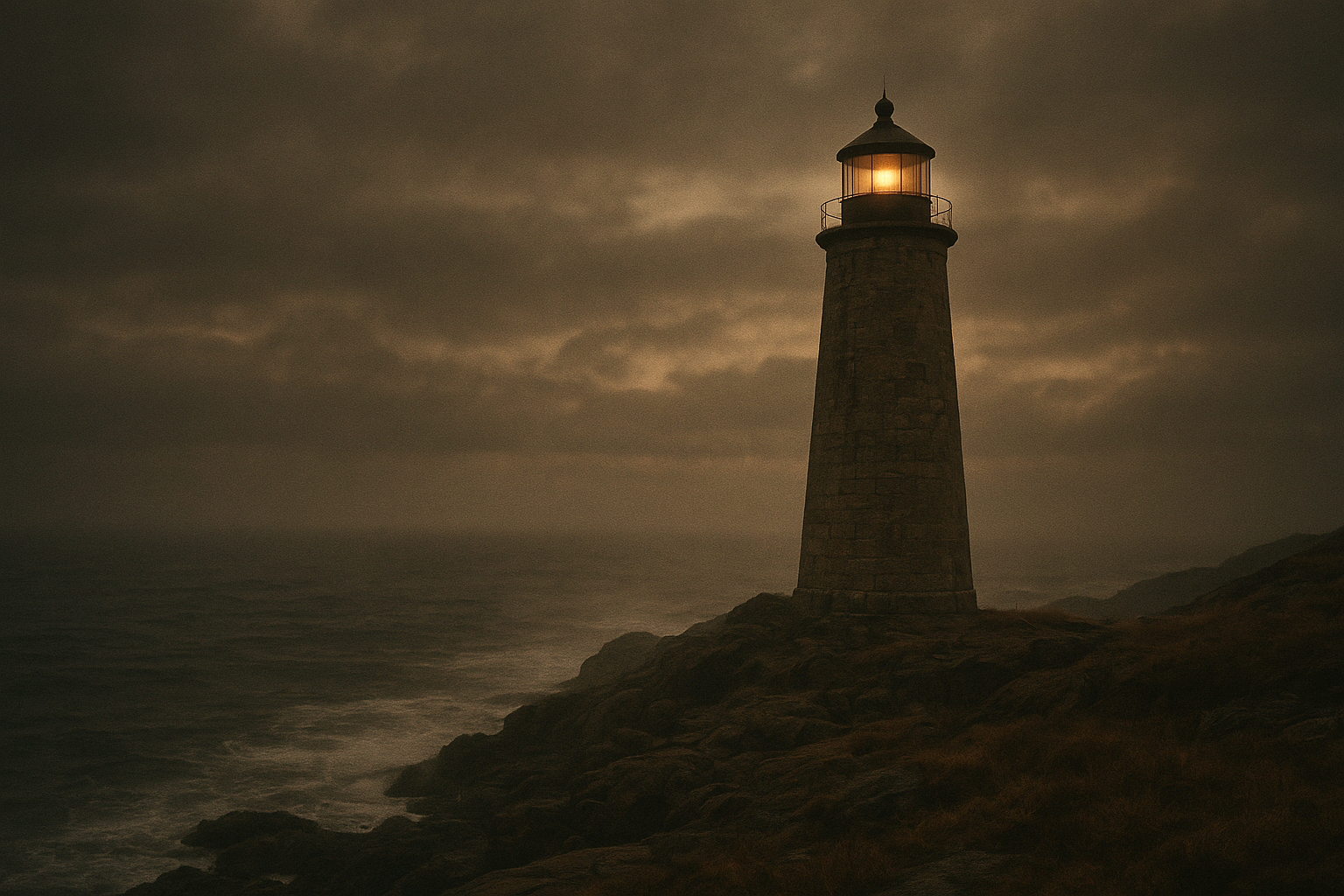
Northern Coast Lighthouses
Explore a carefully curated record of preserved towers, archive photographs, and keeper stories from the edge of the sea.
Coastal Reference
Along the northern coast, these towers guided shipping lanes, marked dangerous shoals, and now preserve the lived history of keepers whose work shaped maritime safety.
Read keeper storiesEach light formed part of a coastal signal network that reduced wrecks and kept regional trade moving.
Keepers endured remote stations, harsh weather, and long rotations to maintain reliable night beacons.
Today, restored towers and archives protect local memory and keep maritime heritage publicly accessible.
Chronology
Five milestones trace the shift from early beacon construction to preservation, giving the coast’s lighthouse history a clear reading path.
1820s–1840s
First permanent stone towers were established on key headlands to reduce shipwrecks along hazardous approaches.
1850s–1870s
Fresnel lenses and standardized lantern systems improved visibility, extending reliable night navigation on the route.
1880s–1910s
Fog signals, keeper housing, and service buildings expanded stations into fully staffed coastal safety outposts.
1920s–1950s
Electrification and radio support reduced manual labor while keeping towers central to maritime wayfinding.
1960s–Present
Automation and heritage protections shifted many surviving lights from active service into preserved public landmarks.
Map-led browsing
Start with place, then open the stories, photos, and histories behind each beacon.
Explore the map